
Too Much vs. Too Little Stomach Acid: Symptoms & What Helps
Good to know
Both too much and too little stomach acid are medical issues that should be diagnosed and managed by a doctor. The information below is for information only.
In short: Stomach acid is a useful fluid that helps break down food and protects the body from pathogens. If too much or too little is produced, problems such as ulcers or indigestion can occur — and acid in the wrong place, like the oesophagus, causes discomfort. Here's how to recognise over- and under-production and what treatment options exist.
Written by Zuzka, Masticlife content team · Last updated September 8, 2026
In this article
Too much vs. too little: at a glance
| Too much acid | Too little acid | |
|---|---|---|
| Typical feeling | Heartburn, burning, acid regurgitation | Fullness, bloating, sluggish digestion |
| Other signs | Bad breath, cough/sore throat, ulcers | Flatulence, diarrhoea, B12/iron deficiency |
| Common triggers | Caffeine, alcohol, stress, fatty food, H. pylori | Long-term acid blockers, type A gastritis, ageing |
What is stomach acid and why do we need it?
Certain cells in the stomach produce around two to three litres of gastric acid every day. Alongside water, mucous substances, a buffer system and the so-called intrinsic factor (which enables the absorption of vitamin B12), it contains hydrochloric acid — the actual gastric acid.
Stomach acid is produced by cells in the stomach mucosa whenever certain stimuli occur: eating is of course one of them, but the sight and smell of a delicious meal are also enough.
As soon as the ingested food arrives in the stomach, the gastric acid prepares it for digestion. It begins breaking down the structure of proteins and helps inactivate viruses and bacteria that have entered the stomach with the food.
Stomach acid is so aggressive that it could in principle digest the stomach itself. This is prevented by the protective mucous membrane that covers the stomach wall and shields it from the acid.
Too much stomach acid
When too much gastric acid is produced, common symptoms include:
- heartburn when stomach acid enters the oesophagus
- stomach pain or burning in the stomach
- acid regurgitation
- bad breath
- cough and sore throat
- damage to the lining of the stomach, such as inflammation and ulcers
- stomach pressure and/or nausea
If the responsible cells produce too much gastric acid, the protection of the gastric mucosa is no longer guaranteed — the stomach over-acidifies (so-called hyperacidity). The following triggers may be responsible:
- excessive consumption of stimulants such as caffeine, alcohol and/or nicotine
- extreme stress
- a very unhealthy, high-fat diet
- certain medicines, for example painkillers
- inflammation of the stomach mucosa caused by the bacterium Helicobacter pylori
- less frequently, illnesses such as Zollinger-Ellison syndrome, in which stomach-acid production is abnormally stimulated
If the stomach is only acidic for a short time, this is usually not a problem. However, if the situation persists, it can have consequences such as gastritis, gastric ulcer or duodenal ulcer. It is also possible that the stomach acid does not stay in the stomach but rises and causes unpleasant heartburn.
Treatment for too much stomach acid
Treatment options for too much stomach acid — and the heartburn associated with it:
- Avoid stimulants: try to give up smoking; alcohol and coffee should only be consumed in moderation.
- Reduce stress: find a balance to your stressful everyday life. Some people swear by sport, others prefer to relax with a good book — try what does you good.
- Change your eating habits: avoid foods that are too fatty, spicy or sweet. Instead, go for meals that are easier on your stomach.
- Medicines: acid blockers reduce acid production, while antacids neutralise stomach acid. Check with your doctor or pharmacist which medicine is right for you.
- If your symptoms persist or get worse, have a thorough check-up with your doctor. Examination methods such as gastroscopy can help get to the bottom of your symptoms and adjust the therapy accordingly.
Too little stomach acid
When too little gastric acid is produced, common symptoms include:
- non-specific digestive disorders such as flatulence or diarrhoea
- feeling of fullness and stomach pressure
- nausea
- increased infections
- deficiency symptoms (for example vitamin B12, and the resulting iron deficiency and/or anaemia)
- disturbed intestinal flora (because microorganisms are not sufficiently inactivated)
If the gastric mucosal cells produce too little gastric acid, this is called gastric acid deficiency. The factors behind reduced production are just as varied as the causes of increased production. Possible triggers include:
- long-term use of medicines that inhibit gastric acidity
- chronic type A gastritis, in which the immune system identifies the stomach's own cells as the enemy and attacks them
- ageing, which can also weaken the sphincter between the stomach and oesophagus and increase reflux
- stress (when the release of stress hormones causes activity in the digestive tract to shut down)
- surgery in the area of the stomach
Typically, too little stomach acid leads to digestive symptoms such as abdominal pain, bloating and/or diarrhoea. The lack of acid means the food pulp cannot be broken down properly in the stomach: as a result, food either remains in the stomach for a very long time, or components that are much too large enter the intestine — both of which cause the characteristic complaints.
In many cases, a lack of stomach acid is also accompanied by anaemia with vitamin B12 deficiency. For the vitamin to be absorbed in sufficient quantities, an acidic environment is needed in the stomach; if this is missing because too little acid is produced, the body's supply of vitamin B12 also suffers. Ultimately, this deficiency can lead to anaemia because the formation of red blood cells is impaired.
Treatment for too little stomach acid
Medications can also be used to treat low stomach acid, but only those that stimulate stomach-acid production. In addition, it is advisable to include bitter foods such as broccoli or spinach in the diet — they stimulate digestion and can help compensate for the lack of stomach acid.
It is also worth reconsidering your lifestyle habits and adjusting them if necessary. Try to banish stress from your everyday life as much as possible. Special stress-management programmes can help, as can courses on yoga, progressive muscle relaxation and the like. If you are taking medication that interferes with the production of gastric acid, your doctor can help you find alternatives that are easier on your stomach.
If you suspect that you have too little stomach acid, it is best to see a doctor: he or she can confirm or refute your suspicion and initiate appropriate therapy. Once a definite diagnosis is made, special acid capsules can be used for treatment. They are taken with food and release the missing hydrochloric acid in the stomach, so the ingested food can be digested without impairment.
From Masticlife
Chios mastic is a food supplement that contributes to the normal function of the digestive system. It is not a treatment for excess or low stomach acid — for persistent symptoms, see your doctor. Learn more about mastic gum or browse our mastic supplements.
FAQ: stomach acid
What are the symptoms of too much stomach acid?
Heartburn, stomach pain, acid regurgitation, bad breath, cough, sore throat, inflammation, ulcers, stomach pressure and nausea.
What are the symptoms of too little stomach acid?
Digestive disorders like flatulence or diarrhoea, fullness, nausea, increased infections, deficiency symptoms, and disturbed intestinal flora.
What causes excess stomach acid?
Causes include stimulants (caffeine, alcohol, nicotine), stress, an unhealthy diet, certain medications, and Helicobacter pylori infection.
How can I treat too much stomach acid?
Avoid stimulants, reduce stress and adjust your diet; acid blockers or antacids can help. Consult your doctor for persistent symptoms.
What causes low stomach acid?
Triggers include long-term acid-inhibiting medication, chronic type A gastritis, ageing, stress, or gastric surgery.
How is low stomach acid treated?
Treatment includes acid-stimulating medication, bitter foods, stress reduction, and possibly acid supplements under medical supervision.

Mastic for your gastrointestinal tract
-
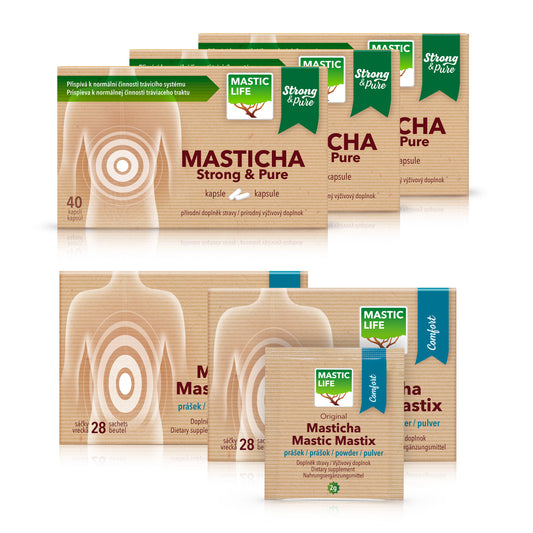 8-week treatment 🗓️
Mastic 8 weeks
Regular price £68.00 GBPRegular price£85.00 GBPSale price £68.00 GBPSale -
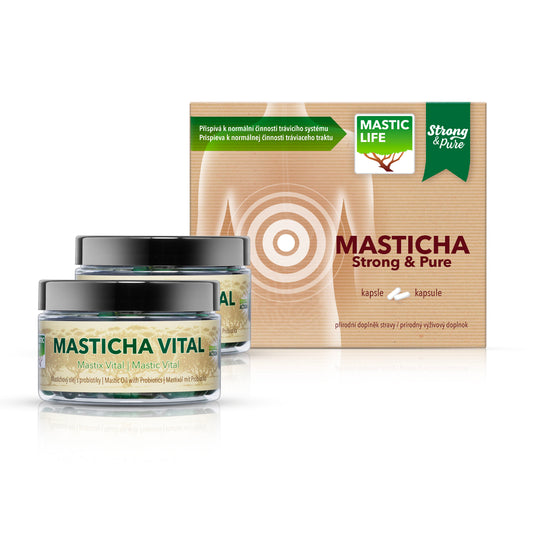 60-day treatment 💪
Mastic Gum Extra for 60 days
Regular price £114.00 GBPRegular price£143.00 GBPSale price £114.00 GBPSale -
 Gift set 🎁
Mastic „Life with Mastic"
Regular price £55.00 GBPRegular price£62.00 GBPSale price £55.00 GBPSale -
 Gift set 🌿
Mastic „Pure Mastic“
Regular price £28.00 GBPRegular price£30.00 GBPSale price £28.00 GBPSale

